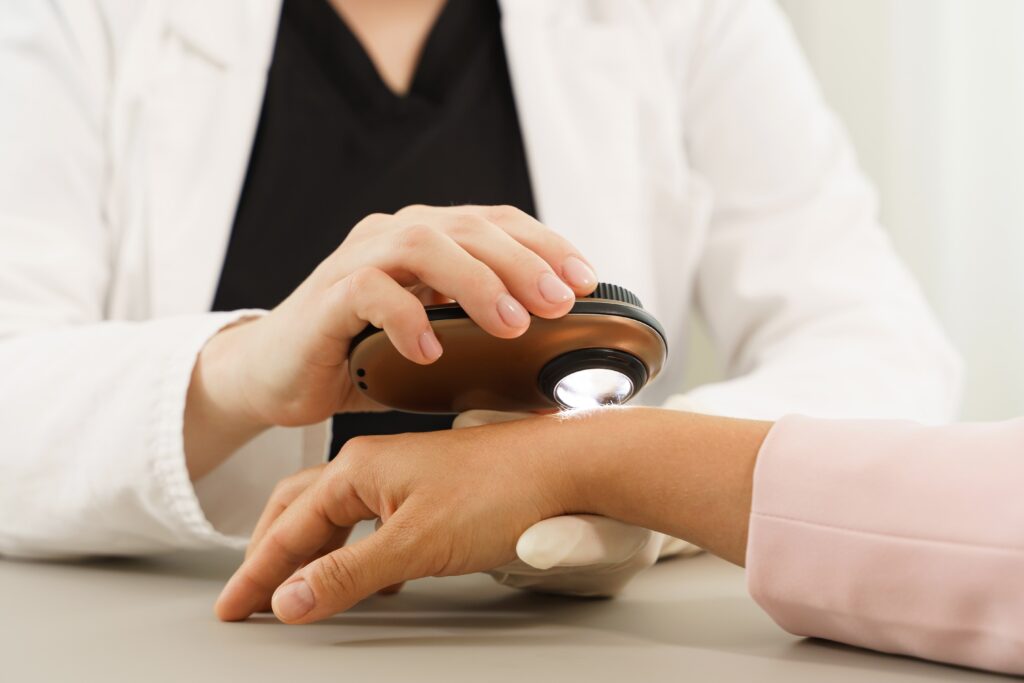

What Is Pediatric Dermatology?
Pediatric dermatology is a specialized subspecialty focused specifically on skin, hair, and nail conditions affecting infants, children, and adolescents.
While a pediatrician or general dermatologist can evaluate many childhood skin problems, certain conditions can benefit from the expertise of a physician with advanced training in both dermatology and the medical needs of children. A pediatric dermatologist understands how skin conditions can appear differently at different ages, how treatments may need to be adapted for younger patients, and how chronic skin problems can affect a child’s comfort and quality of life.
Specialized Skin Care for Infants, Children & Teens
Children’s skin is different from adult skin, and some skin conditions require specialized expertise to diagnose and treat effectively. Our pediatric dermatology services are led by Dr. Shannan E. McCann, a board-certified dermatologist and pediatric dermatologist with specialized fellowship training in pediatric dermatology.
Whether your child is experiencing persistent eczema, acne, warts, an unusual rash, a birthmark, or another skin concern, our team provides personalized care tailored to the unique needs of children and their families.
Meet Dr. Shannan E. McCann
Board-Certified Pediatric Dermatologist in San Antonio
Dr. Shannan E. McCann brings extensive pediatric and dermatologic training to Texas Skin & Vein. She is quadruple board-certified in Dermatology, Pediatric Dermatology, Pediatrics, and Adolescent Medicine and completed her Pediatric Dermatology fellowship at Texas Children’s Hospital.
Dr. McCann also has a distinguished military medical background. She became the first pediatric dermatologist in U.S. Air Force history, providing specialized dermatologic care to children and families throughout her military medical career. Her training in dermatology, pediatric dermatology, pediatrics, and adolescent medicine provides a particularly comprehensive perspective when evaluating skin conditions affecting children and teenagers.
Pediatric Skin Conditions We Treat
Eczema & Atopic Dermatitis
Eczema is especially common in children and can cause dry, itchy, inflamed, or irritated skin. For some children, eczema becomes chronic or interferes with sleep, school, and everyday activities. A pediatric dermatologist can help identify potential triggers, develop an age-appropriate skin-care routine, and recommend treatment based on the severity and location of your child’s symptoms.
Acne in Children & Teens
Acne frequently develops during adolescence, but younger children can experience acne as well. Treatment can help control breakouts, reduce inflammation, and lower the risk of acne scars. We develop individualized acne treatment plans based on your child’s age, skin type, and severity.
Warts
Warts are common viral skin growths in children. Some disappear without treatment, while others become painful, spread, or persist. Treatment options vary depending on the number, type and location of the warts as well as your child’s age.
Molluscum Contagiosum
Molluscum contagiosum is a common viral skin infection in children that produces small, typically painless bumps. Although molluscum may eventually resolve without treatment, evaluation may be appropriate when lesions are spreading, irritated, associated with eczema, or causing significant discomfort or concern.
Rashes & Skin Irritation
Children develop rashes for many reasons, including infections, allergic reactions, inflammatory skin conditions and environmental exposures. Because different childhood rashes can look similar, an accurate diagnosis is important when a rash is persistent, recurrent, spreading or accompanied by other symptoms.
Birthmarks
Birthmarks can appear at birth or develop shortly afterward. Many are harmless and simply require observation, while others may benefit from evaluation by a dermatologist familiar with skin conditions affecting infants and children.
Moles & Skin Growths
Most moles in children are benign. However, parents may notice a mole or growth that changes in size, shape, or color or simply looks different from their child’s other moles. We can evaluate concerning moles and other skin growths and determine whether additional monitoring or treatment is necessary.
Psoriasis
Psoriasis can begin during childhood and cause persistent areas of inflamed, scaly skin. Because psoriasis is a chronic inflammatory condition, treatment may involve both controlling current symptoms and developing a long-term management plan.
Skin Infections
Children can develop bacterial, fungal, and viral skin infections. Correctly identifying the cause of an infection helps determine the appropriate treatment and can help prevent complications or spreading.
Hair & Nail Conditions
Pediatric dermatology also includes disorders involving a child’s hair, scalp, and nails. Hair loss, scalp disorders, abnormal nail growth and other changes can sometimes indicate an underlying dermatologic or medical condition.