

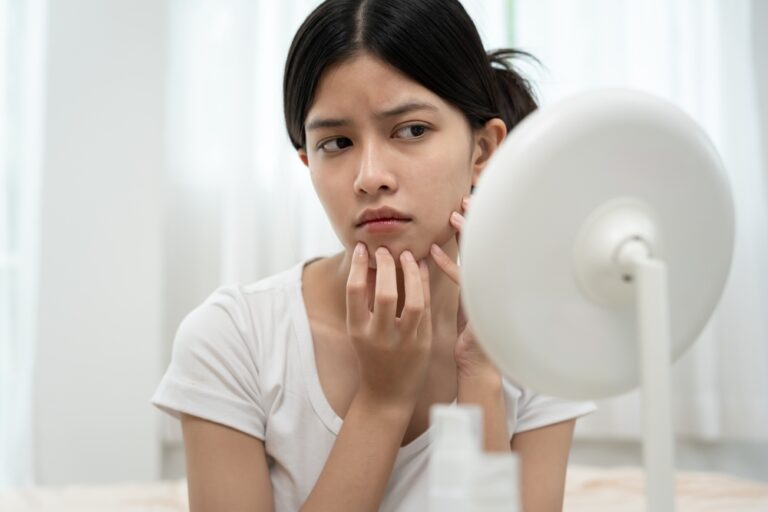
Acne is one of the most common skin conditions, but not all breakouts are the same. Two types that are often confused are hormonal acne and cystic acne. While they can share similar symptoms, they have different causes, characteristics, and treatment approaches.
Understanding the difference can help you choose the most effective treatment and know when it’s time to seek professional care. Our team provides personalized acne care designed to treat the underlying cause, not just the blemishes.
What Is Hormonal Acne?
Hormonal acne develops when fluctuations in hormone levels increase oil (sebum) production. Excess oil combines with dead skin cells and bacteria, clogging pores and leading to breakouts.
Hormonal acne is especially common during:
- Puberty
- Menstrual cycles
- Pregnancy
- Perimenopause and menopause
- Polycystic ovary syndrome (PCOS)
- Periods of chronic stress
Although hormonal acne is often associated with teenagers, it frequently affects adults, particularly women aged between their 20s and 40s.
Common Signs of Hormonal Acne
Hormonal acne typically appears:
- Along the jawline
- Chin
- Lower cheeks
- Neck
Breakouts may include:
- Tender pimples
- Whiteheads and blackheads
- Small inflamed bumps
- Occasional deeper nodules
Many people notice that flare-ups occur around the same time each month due to hormonal changes.
What Is Cystic Acne?
Cystic acne is the most severe form of inflammatory acne. It occurs when pores become clogged with oil, bacteria, and dead skin cells, causing infection and inflammation beneath the skin’s surface. Unlike ordinary pimples, cystic acne forms deep within the skin and often results in painful, swollen cysts.
Common Signs of Cystic Acne
Cystic acne often appears on the:
- Face
- Chest
- Back
- Shoulders
Symptoms include:
- Large, painful lumps beneath the skin
- Red, swollen lesions
- Deep inflammation
- Frequent scarring
- Long healing times
Because cystic acne affects deeper layers of the skin, squeezing or picking at lesions significantly increases the risk of permanent acne scars.
Main Differences of Hormonal Acne and Cystic Acne
| Hormonal Acne | Cystic Acne |
| Triggered primarily by hormone fluctuations | Caused by deep inflammation and clogged pores |
| Often appears around the jawline and chin | Can develop anywhere on the face, chest, back, and shoulders |
| May flare with menstrual cycles or hormonal changes | Often persists regardless of hormonal timing |
| Can range from mild to moderate | Typically severe and painful |
| May improve with hormonal therapies | Often requires prescription dermatologic treatment |
It’s also important to know that the two conditions can overlap. Hormonal changes may trigger cystic acne, meaning someone can experience both hormonal and cystic breakouts simultaneously.
Treatment Options for Hormonal Acne
Treatment depends on the severity of your acne and the underlying cause.
Topical Treatments
For mild to moderate hormonal acne, your dermatologist may recommend topical medications such as:
- Prescription retinoids
- Benzoyl peroxide
- Salicylic acid
- Topical antibiotics
- Azelaic acid
These treatments help reduce clogged pores, inflammation, and acne-causing bacteria.
Oral Medications
When topical products aren’t enough, oral medications may be appropriate, including:
- Hormonal birth control (for eligible patients)
- Spironolactone
- Oral antibiotics for short-term inflammation control
These medications work by addressing the hormonal factors that contribute to recurring breakouts.
Lifestyle Considerations
While lifestyle changes alone won’t cure hormonal acne, they may help reduce flare-ups.
Helpful habits include:
- Following a consistent skincare routine
- Avoiding harsh scrubbing
- Managing stress
- Eating a balanced diet
- Getting adequate sleep
A dermatologist can help determine whether hormones are the primary cause of your acne.
Treatment Options for Cystic Acne
Because cystic acne is more severe, professional treatment is often necessary to prevent long-term skin damage. Treatment options may include:
Prescription Topical Medications
Prescription-strength retinoids and combination therapies help reduce inflammation and prevent new cysts from forming.
Oral Antibiotics
Short courses of oral antibiotics may be used to reduce inflammation while other treatments begin working.
Isotretinoin
For severe or treatment-resistant cystic acne, isotretinoin may provide long-lasting improvement by dramatically reducing oil production and preventing future cyst formation.
Corticosteroid Injections
For especially large, painful cysts, your dermatologist may recommend an in-office corticosteroid injection to reduce swelling and speed healing.
When Should You See a Dermatologist for Acne?
Occasional pimples are common, but a dermatologist should evaluate persistent or severe acne. Consider scheduling an appointment if:
- Acne is painful or deep beneath the skin.
- Over-the-counter treatments haven’t worked after several weeks.
- Breakouts are leaving scars or dark spots.
- Acne is affecting your confidence or quality of life.
- You experience frequent hormonal flare-ups.
Early treatment can help prevent permanent scarring while improving your skin more quickly.
Personalized Acne Care at Texas Skin & Vein
Every patient’s skin is different, which is why acne treatment should never follow a one-size-fits-all approach. At Texas Skin & Vein, our dermatology providers evaluate your skin type, acne severity, medical history, and treatment goals to develop a customized care plan.
Whether you’re dealing with recurring hormonal acne, painful cystic acne, or acne scars, our team offers comprehensive medical and cosmetic solutions to help you achieve healthier skin.
Learn more about our Acne Treatment services, explore our Cosmetic Dermatology options for acne scar improvement.
Schedule an Acne Consultation
If you’re unsure whether you’re dealing with hormonal acne, cystic acne, or another skin condition, an accurate diagnosis is the first step toward clearer skin.
Our experienced dermatology team can identify the underlying cause of your breakouts and recommend the most effective treatment plan for your needs.
Ready to get started? Contact Texas Skin & Vein today to schedule your consultation.