
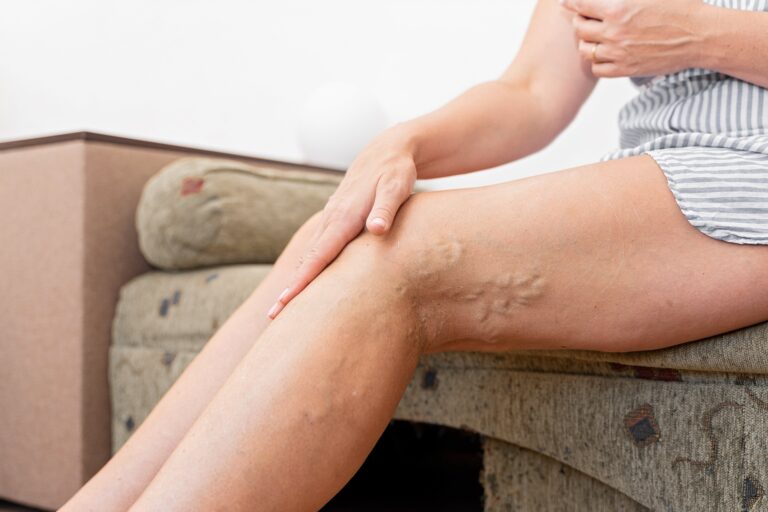
Varicose veins are more than a cosmetic concern. For many people, they can cause aching, heaviness, swelling, itching, cramping, skin changes, and discomfort that worsens throughout the day.
The honest answer is that varicose veins can often be successfully treated, and many problematic veins can be permanently closed or removed. However, vein disease is usually better managed as a chronic circulation condition rather than something that is “cured” once and never requires attention again.
At Texas Skin & Vein, our team helps patients understand what modern vein treatments can realistically achieve, how to reduce recurrence risk, and when a varicose vein evaluation is recommended.
Treatment vs. Cure: What’s the Difference?
When people ask whether varicose veins can be cured, they are usually asking one of two things:
- Can existing varicose veins go away?
Yes. Modern vein treatments can close, collapse, or remove damaged veins so they are no longer visible or symptomatic. - Can varicose veins be prevented forever?
Not always. Some people are more likely to develop new varicose veins over time because of genetics, aging, pregnancy, prolonged standing, weight changes, hormonal factors, or underlying venous insufficiency.
This is why the “cure” can be misleading. A treated vein generally does not come back once it has been properly closed or removed. However, new unhealthy veins can develop later if the underlying tendency toward vein disease remains.
A better way to think about varicose vein care is that treatment can eliminate current problem veins, improve symptoms, and reduce future risk. At the same time, long-term management helps lower the risk of new varicose veins forming.
Why Varicose Veins Happen
Healthy veins use tiny one-way valves to move blood back toward the heart. When these valves weaken or fail, blood can pool in the legs. This pressure causes veins to stretch, enlarge, twist, and become varicose.
Common symptoms of varicose veins include:
- Bulging, rope-like veins
- Leg heaviness or fatigue
- Aching, throbbing, or burning discomfort
- Swelling in the ankles or lower legs
- Nighttime cramping or restless legs
- Itching around affected veins
- Skin discoloration or irritation
- Symptoms that worsen after standing or sitting for long periods
Because varicose veins may be linked to underlying vein reflux, a proper diagnosis is important before choosing treatment. A vein clinic can evaluate whether your visible veins are only a surface concern or part of a deeper circulation problem.
Can Varicose Veins Go Away Without Treatment?
Generally, varicose veins usually do not disappear on their own, but lifestyle changes may help reduce symptoms and slow progression. They typically cannot repair damaged vein valves or make large varicose veins vanish.
Compression stockings, exercise, leg elevation, and weight management may improve circulation and reduce swelling. However, when veins are already enlarged and dysfunctional, medical treatment is often needed to close or remove them.
Modern Treatment Options for Varicose Veins
Today’s varicose vein treatments are typically minimally invasive. Many procedures are performed in-office, involve little downtime, and allow patients to return to normal activities quickly.
Sclerotherapy
Sclerotherapy is commonly used for spider veins and some smaller varicose veins. During treatment, a specialized solution is injected into the affected vein. The solution irritates the vein lining, causing the vein to collapse and eventually be absorbed by the body.
Blood naturally reroutes through healthier veins. Over time, the treated vein fades from view.
Sclerotherapy may be recommended for:
- Spider veins
- Small varicose veins
- Residual veins after larger vein treatment
- Cosmetic vein concerns
Multiple sessions may be needed depending on the number, size, and location of the veins.
Laser Vein Treatment
Laser-based treatments use focused energy to heat and close targeted veins. Depending on the type and size of the vein, laser treatment may be performed externally on the skin or internally through a thin catheter placed inside the vein.
Laser vein treatment can help reduce the appearance of visible veins and improve symptoms caused by vein reflux when the affected vein is properly selected.
Benefits may include:
- No large surgical incision
- Minimal downtime
- Precise targeting of abnormal veins
- Gradual improvement as the body absorbs treated veins
Minimally Invasive Vein Procedures
For larger varicose veins or veins related to venous reflux, minimally invasive procedures may be recommended. These treatments are designed to close or remove unhealthy veins while allowing blood to flow through healthier nearby veins.
Depending on the evaluation, options may include:
- Endovenous vein closure
- Microphlebectomy
- Ultrasound-guided procedures
- Combination treatment plans
- Follow-up sclerotherapy for the remaining smaller veins
These procedures can be highly effective for treating current varicose veins and improving symptoms such as aching, swelling, heaviness, and leg fatigue.
Will Treated Varicose Veins Come Back?
A successfully treated vein usually does not reopen or become varicose again. However, new varicose veins can appear over time.
This may happen because of:
- Genetics
- Ongoing venous insufficiency
- Pregnancy
- Prolonged standing or sitting
- Aging
- Weight changes
- Hormonal changes
- Untreated reflux in nearby veins
This does not mean treatment failed. It means vein disease can be progressive, and long-term monitoring may be needed.
The goal of treatment is to address the current problem veins, improve circulation, relieve symptoms, and reduce the risk of complications. Ongoing prevention strategies can help protect your results.
How to Reduce the Risk of Varicose Vein Recurrence
Although you may not be able to control every risk factor, you can take steps to support healthier circulation and reduce pressure in the leg veins.
Stay Active
Walking, swimming, cycling, and low-impact exercise help the calf muscles move blood back toward the heart. Regular movement is one of the best ways to support vein health.
Avoid Long Periods of Sitting or Standing
If your job requires long hours on your feet or at a desk, take brief movement breaks. Flex your calves, walk for a few minutes, or elevate your legs when possible.
Wear Compression Stockings When Recommended
Compression stockings can help reduce swelling, improve circulation, and manage symptoms. They may also be recommended before or after certain vein treatments.
Maintain a Healthy Weight
Extra pressure on the legs can contribute to vein symptoms and progression. Weight management may help reduce strain on the venous system.
Elevate Your Legs
Raising your legs above heart level for short periods may help reduce swelling and pressure, especially after a long day.
Schedule Follow-Up Care
Routine follow-up visits allow your provider to monitor your results and identify new vein issues early. This is especially important for patients with venous insufficiency or a history of recurring varicose veins.
When Should You See a Vein Specialist?
You should consider scheduling a vein evaluation if you have:
- Bulging or twisted leg veins
- Leg pain, aching, or heaviness
- Swelling in the ankles or calves
- Skin changes around the lower legs
- Itching, burning, or throbbing near veins
- Restless legs or nighttime cramping
- A history of blood clots or vein disease
- Varicose veins that are getting worse
- Cosmetic concerns about visible veins
Even if your veins seem minor, symptoms may indicate an underlying circulation issue. A professional evaluation can help determine whether treatment is recommended.
Get Started With Texas Skin & Vein
There may not be a guaranteed one-time “cure” that prevents varicose veins forever, but today’s treatments can be very effective. Damaged veins can often be closed or removed, symptoms can improve, and many patients achieve long-lasting results.
The most accurate answer is: Existing varicose veins can be treated successfully, but vein disease may require long-term management to prevent or address future vein problems.
If you are dealing with leg discomfort, swelling, visible veins, or recurring vein issues, Texas Skin & Vein can help you understand your options. Schedule a varicose vein evaluation or contact the team through the contact page to take the next step.